Steel Structures in Lahore
We provide Steel Structures in Lahore for industrial, commercial, infrastructure, and construction applications, delivering durable and accurately fabricated steel solutions.
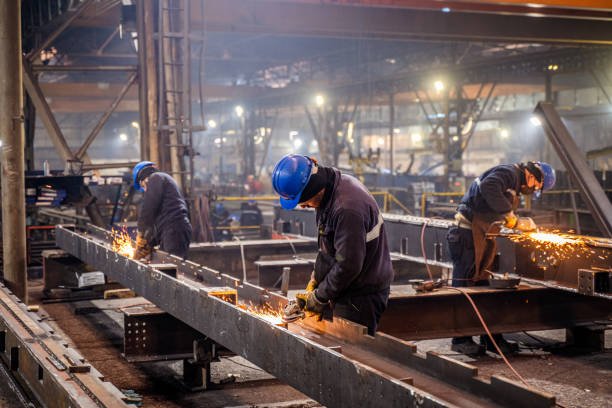
- Steel Structures & Fabrication
Engineered For Strength And Precision
Our Structural Steel Fabrication in Lahore provide durable, accurately fabricated components for industrial, commercial, infrastructure, and construction applications, combining quality materials, precise workmanship, and practical engineering.
We provide reliable Steel Staircases in Lahore and fabrication solutions designed to meet different structural, architectural, industrial, and commercial requirements across a wide range of applications.
- Explore Solutions
Our Steel Fabrication Solutions
We provide reliable Steel Gratings in Lahore designed to meet different structural, architectural, industrial, and commercial requirements across a wide range of applications.
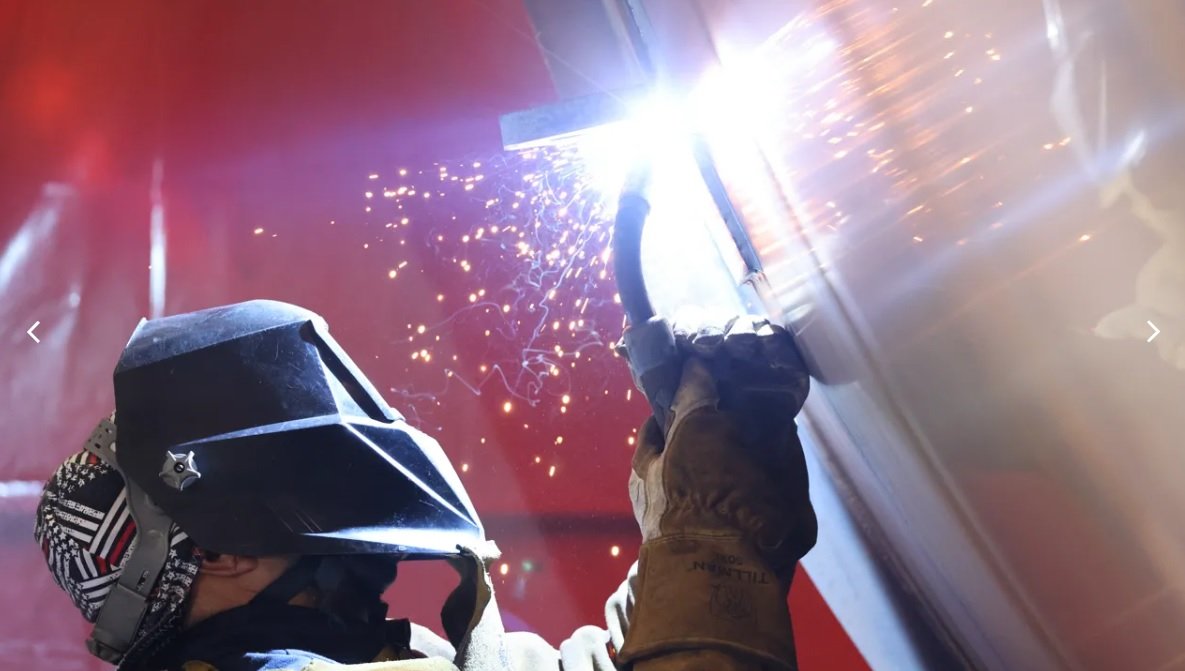
Structural Steel Fabrication
Precision fabricated structural steel components designed for buildings, industrial facilities, platforms, and infrastructure projects requiring strength, accuracy, and dependable structural performance.
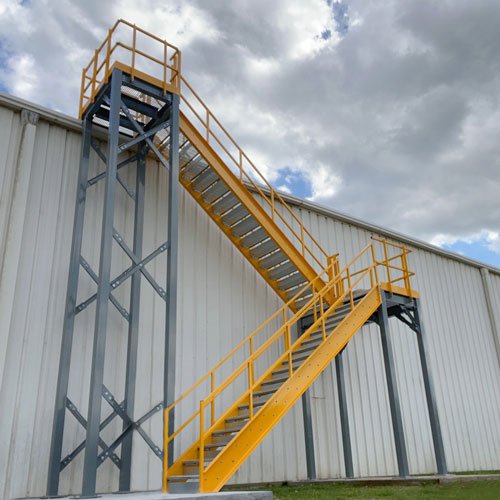
Steel Staircases
Durable steel staircase solutions designed for industrial, commercial, and infrastructure applications, combining structural strength, practical access, and reliable long term performance.
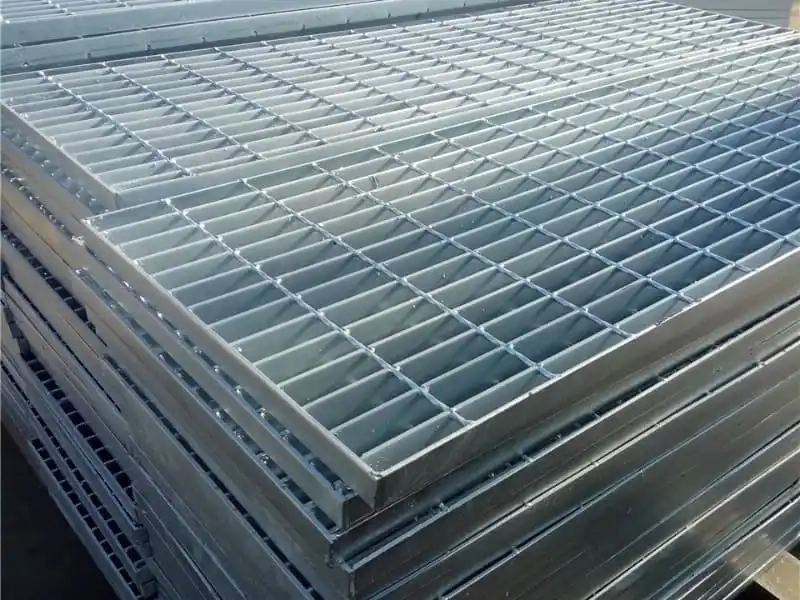
Steel Gratings
Strong and practical steel grating solutions designed for walkways, platforms, industrial floors, drainage areas, and access systems requiring durability and dependable load support.
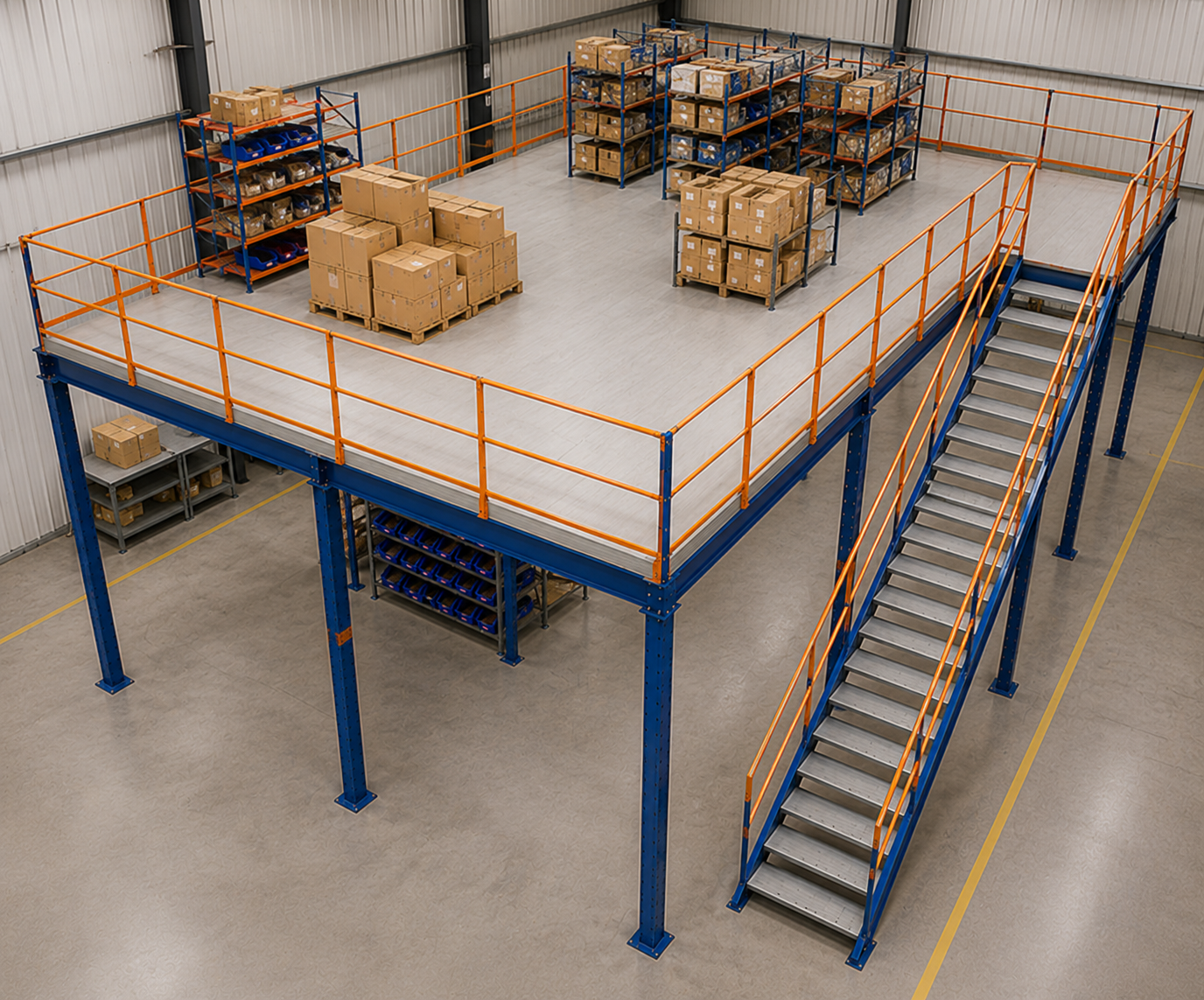
Steel Mezzanines
Efficient steel mezzanine structures designed to create additional usable floor space in warehouses, industrial facilities, and commercial buildings without major structural expansion.
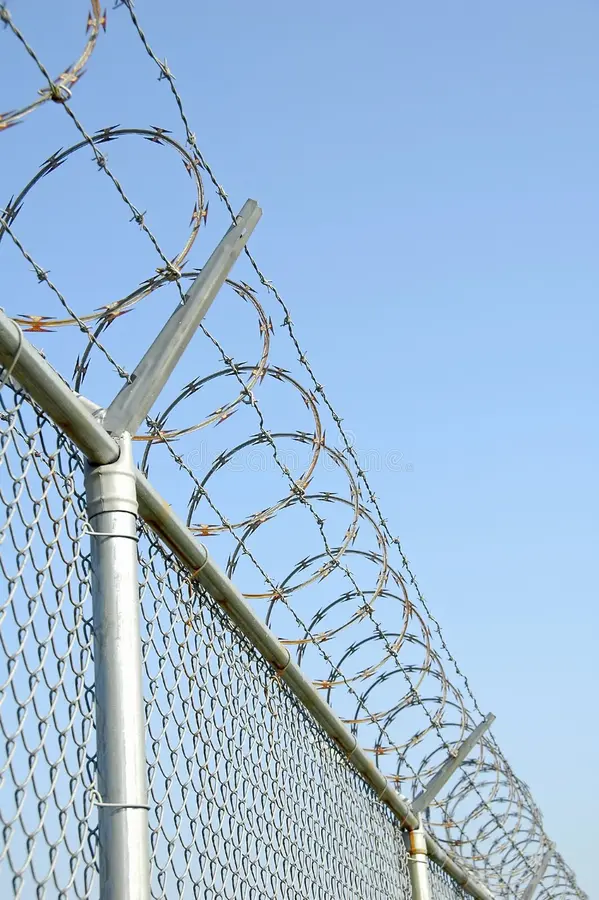
Steel Fencing
Durable steel fencing solutions designed to provide secure boundaries, property protection, and long term performance across industrial, commercial, construction, and infrastructure environments.
- Our Work Gallery
Built For Performance
Explore our steel structures and fabrication projects through real applications, showcasing durable steel components, precise fabrication, and practical solutions designed for industrial, commercial, infrastructure, and construction requirements.
Steel Structures Fabrication Services
Steel structures fabrication plays an important role in industrial, commercial, and infrastructure development. From structural frames and industrial sheds to platforms and support systems, fabricated steel components provide practical solutions for projects that require strength, stability, and efficient construction. Arew Engineering Solutions provides engineering and steel fabrication solutions designed around project specifications, site conditions, and intended applications.
Successful steel fabrication requires careful planning, suitable material selection, accurate cutting and assembly, and appropriate quality checks. Every project should be evaluated according to its structural requirements, loading conditions, installation method, and applicable engineering standards.
What Is Steel Structures Fabrication?
Steel structures fabrication is the process of manufacturing structural steel components from engineering drawings and project specifications. The process can include measuring, cutting, drilling, forming, welding, surface preparation, and assembling individual members before delivery or installation.
Depending on the project, fabricated components may include columns, beams, trusses, bracing members, base plates, connection plates, platforms, and structural supports. Accurate fabrication helps ensure that these components fit together as intended during installation.
Types of Steel Structures We Fabricate
Different industries require different types of steel structures. The design, material specification, and fabrication method should match the intended function of the structure and the conditions in which it will be used.
Industrial Steel Structures
Industrial steel structures are used in manufacturing facilities, workshops, processing plants, and production areas. They may support equipment, operational spaces, access systems, and other facility requirements. Their design must account for relevant loads, equipment arrangements, and site conditions.
Pre-Engineered Building Structures
Pre-engineered building structures are commonly used for warehouses, factories, industrial sheds, and commercial facilities. These systems use coordinated structural components designed to work together as a building frame. Fabrication accuracy is important for component alignment and efficient on-site assembly.
Steel Platforms and Support Frames
Steel platforms and support frames can provide access, equipment support, and working areas within industrial facilities. Their dimensions, connections, bracing, and access provisions should be designed for the intended loads and operational conditions.
Custom Structural Steel Components
Some projects require components manufactured to specific drawings, dimensions, or connection details. Custom steel fabrication allows individual members and assemblies to be produced according to the approved project design and installation requirements.
Our Steel Fabrication Process
A structured fabrication process helps coordinate engineering requirements, material handling, workshop production, and site installation. The exact workflow depends on the project’s size, complexity, and technical specifications.
1. Project Assessment and Drawings
The process begins with reviewing the project scope, dimensions, intended application, engineering drawings, and required specifications. Any necessary design coordination should be completed before fabrication begins.
2. Material Selection and Preparation
Steel grades, section sizes, and plate thicknesses are selected according to the approved design. Material identification, dimensional checks, and preparation help establish the foundation for consistent fabrication quality.
3. Cutting, Drilling, and Assembly
Steel members are cut and prepared to the required dimensions. Holes, plates, and connection details are produced according to fabrication drawings, and components are assembled with attention to alignment and dimensional tolerances.
4. Welding and Quality Inspection
Where welding is specified, suitable welding procedures and qualified personnel should be used. Inspections may include visual checks, dimensional verification, and additional testing where required by the project specification or applicable standards.
5. Surface Treatment and Finishing
Depending on the intended environment, fabricated steel may require surface preparation, protective painting, or galvanizing. The finishing system should be selected according to exposure conditions, corrosion risks, and maintenance requirements.
6. Delivery and Installation
Fabricated components are prepared for transport and installation in accordance with the project plan. Safe handling, lifting arrangements, connection details, and on-site alignment are important considerations during erection.
Materials Used in Structural Steel Fabrication
Selecting the appropriate material helps ensure that a steel structure meets its required performance and durability criteria. Material selection depends on structural loads, environmental exposure, fabrication requirements, and the specifications established by the project engineer.
- Structural steel sections: Beams, columns, channels, and other sections used to form the primary and secondary structure.
- Steel plates: Used for base plates, connection plates, brackets, stiffeners, and custom components.
- Hollow structural sections: Tubular sections that may be suitable for frames, supports, and other designed assemblies.
- Protective coatings: Paint systems or other specified treatments that help protect steel against environmental exposure.
Material grades and specifications should be verified against approved drawings and project requirements before fabrication proceeds.
Applications of Steel Structures Fabrication
Fabricated steel structures support a wide range of building and industrial applications. Their flexibility allows engineers to design components around site dimensions, equipment layouts, and operational needs.
- Manufacturing facilities: Structural frames, equipment supports, and industrial work areas.
- Warehouses and logistics: Building frames, storage facilities, and loading-area structures.
- Industrial sheds: Steel framing systems for workshops and covered operational spaces.
- Commercial projects: Structural steel elements used in suitable commercial buildings and facilities.
- Processing plants: Platforms, access structures, and supports designed for plant requirements.
- Energy projects: Steel supports and structural components specified for relevant energy installations.
Benefits of Professional Steel Structures Fabrication
Well-planned steel fabrication helps coordinate workshop production with the wider construction schedule. When engineering drawings, material specifications, and quality requirements are properly managed, fabricated components can be prepared for more predictable assembly on site.
- Components manufactured to approved drawings and project dimensions.
- Flexibility to accommodate project-specific structural requirements.
- Coordination between fabrication details and installation planning.
- Material and finishing options selected for the intended application.
- Inspection processes that help verify dimensional accuracy and fabrication quality.
- Potentially more efficient site assembly through appropriate planning and component preparation.
Quality and Safety in Steel Fabrication
Structural steel quality depends on material compliance, fabrication accuracy, connection detailing, and suitable inspection procedures. Quality requirements should be established before production so that each stage can be checked against the approved design.
Safety is equally important during workshop operations, transportation, lifting, and on-site erection. Appropriate work procedures, trained personnel, suitable lifting equipment, and compliance with relevant safety requirements help manage risks throughout the project lifecycle.
Where a project requires compliance with specific structural design, welding, or material standards, those requirements should be identified in the project documentation and verified by the responsible engineering team.
Steel Structures Fabrication in Lahore, Pakistan
Lahore’s industrial and commercial sectors require steel structures for factories, warehouses, workshops, and other infrastructure projects. Fabrication planning must account for project drawings, material availability, transportation requirements, site access, and the installation schedule.
Arew Engineering Solutions provides engineering and steel fabrication solutions for project-specific requirements. Sharing accurate drawings, dimensions, intended use, and site information helps clarify the required fabrication scope and technical considerations.
For projects in Lahore and other areas of Pakistan, early coordination between the client, design team, fabricator, and installation team can help reduce avoidable changes and support a more organised project workflow.
Why Choose Arew Engineering Solutions?
Choosing a steel fabrication partner involves reviewing the project’s technical needs, drawing requirements, material specifications, quality expectations, and delivery arrangements. Clear communication helps align fabrication activities with the overall construction plan.
Arew Engineering Solutions works on engineering and steel fabrication projects, including structural steel applications. Project requirements can be discussed to determine the appropriate scope, fabrication details, and coordination needed for the intended structure.
Whether the project involves a structural frame, industrial support system, or custom-fabricated steel components, providing complete technical information at the start helps establish a clear basis for planning and execution.
Frequently Asked Questions About Steel Structures Fabrication
What is steel structures fabrication?
Steel structures fabrication is the process of manufacturing structural steel components according to engineering drawings and project specifications. It can include cutting, drilling, forming, welding, assembly, inspection, and surface finishing.
Which projects use fabricated steel structures?
Fabricated steel structures are used in industrial buildings, warehouses, manufacturing plants, workshops, platforms, equipment supports, and various commercial and infrastructure projects.
Can steel structures be fabricated according to custom drawings?
Yes. Structural components can be fabricated according to approved project drawings, dimensions, material specifications, and connection details. The drawings should be reviewed and approved by the responsible design professional before production.
What affects the cost of steel structures fabrication?
Cost depends on the type and quantity of steel, structural complexity, fabrication hours, welding requirements, surface treatment, transportation, installation, and inspection requirements. Complete project details help support a more accurate quotation.
How can I request a steel fabrication quotation?
Prepare the project drawings, dimensions, intended application, approximate quantities, preferred material specifications, project location, and installation requirements. Share these details with Arew Engineering Solutions to discuss the project scope.
Discuss Your Steel Fabrication Project
Planning a new industrial or commercial structure? Contact Arew Engineering Solutions to discuss your steel structures fabrication requirements. Provide your drawings, project dimensions, intended application, and technical specifications to help establish the appropriate fabrication scope for your project.