
Arew Engineering manufactures Solar Mounting Structures designed to support rooftop and ground-mounted solar panel installations, with practical steel fabrication for residential, commercial, and industrial projects.
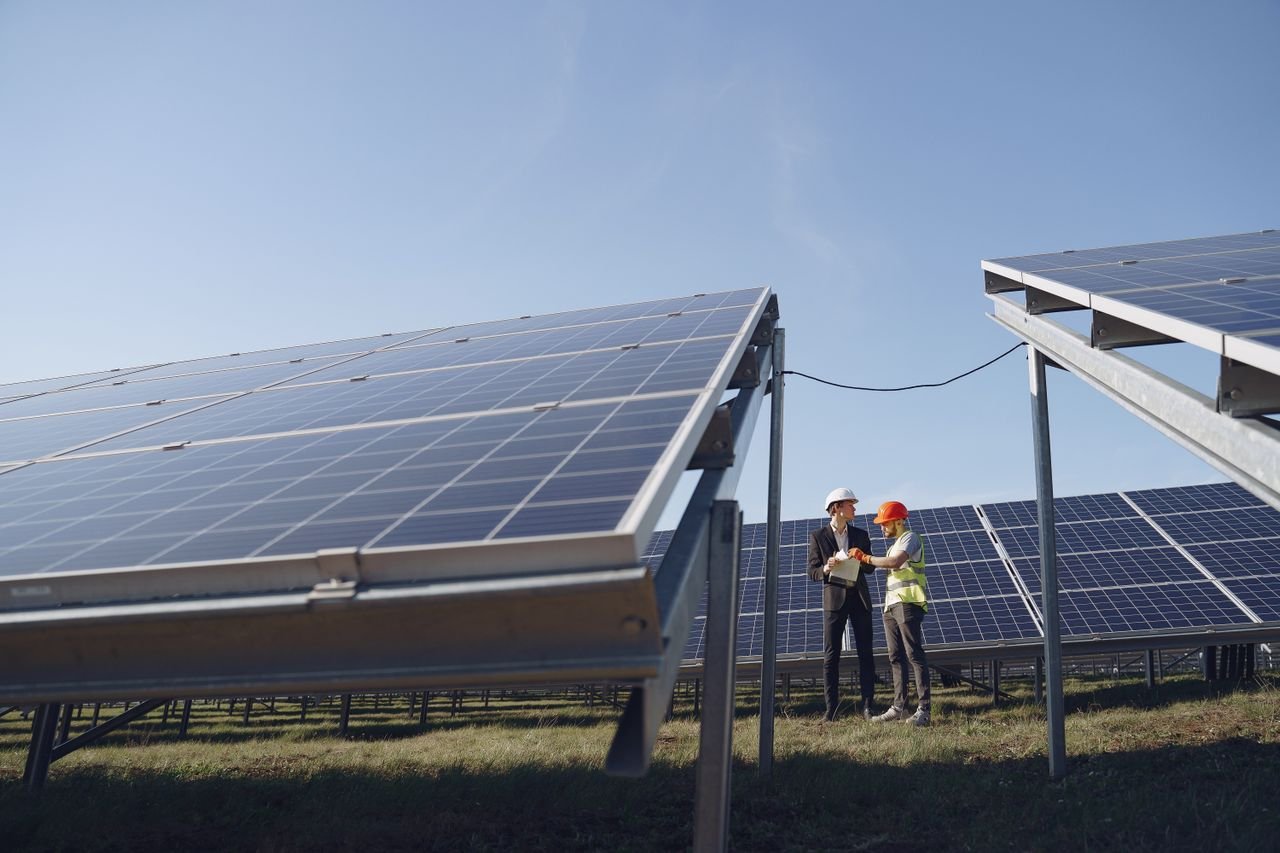
Arew Engineering Solutions manufactures solar mounting structures for rooftop, ground-mounted, commercial, and industrial solar projects. We provide HDG steel and aluminium mounting solutions designed to support solar panels while considering structural stability, site conditions, and long-term outdoor performance.
Our Solar Panel Mounting Structures in Lahore provide durable and stable support for photovoltaic panels across commercial, industrial, and large-scale solar installations, combining structural strength, corrosion resistance, and practical installation requirements.
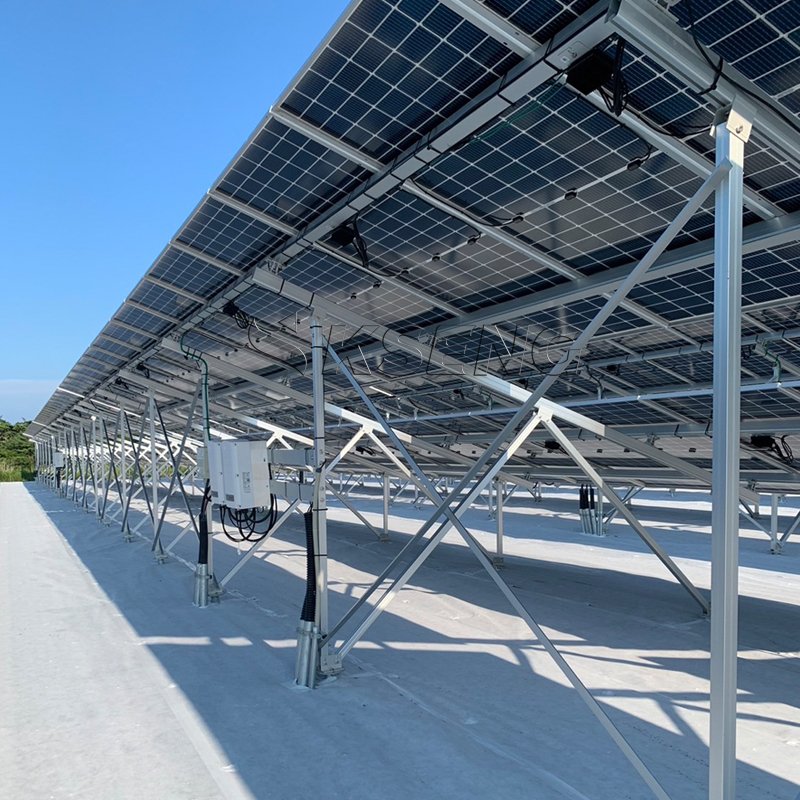
Hot-dip galvanized solar mounting structures use zinc-coated steel components to provide corrosion protection for outdoor solar installations. Their suitability depends on the coating specification, fabrication quality, and environmental exposure.
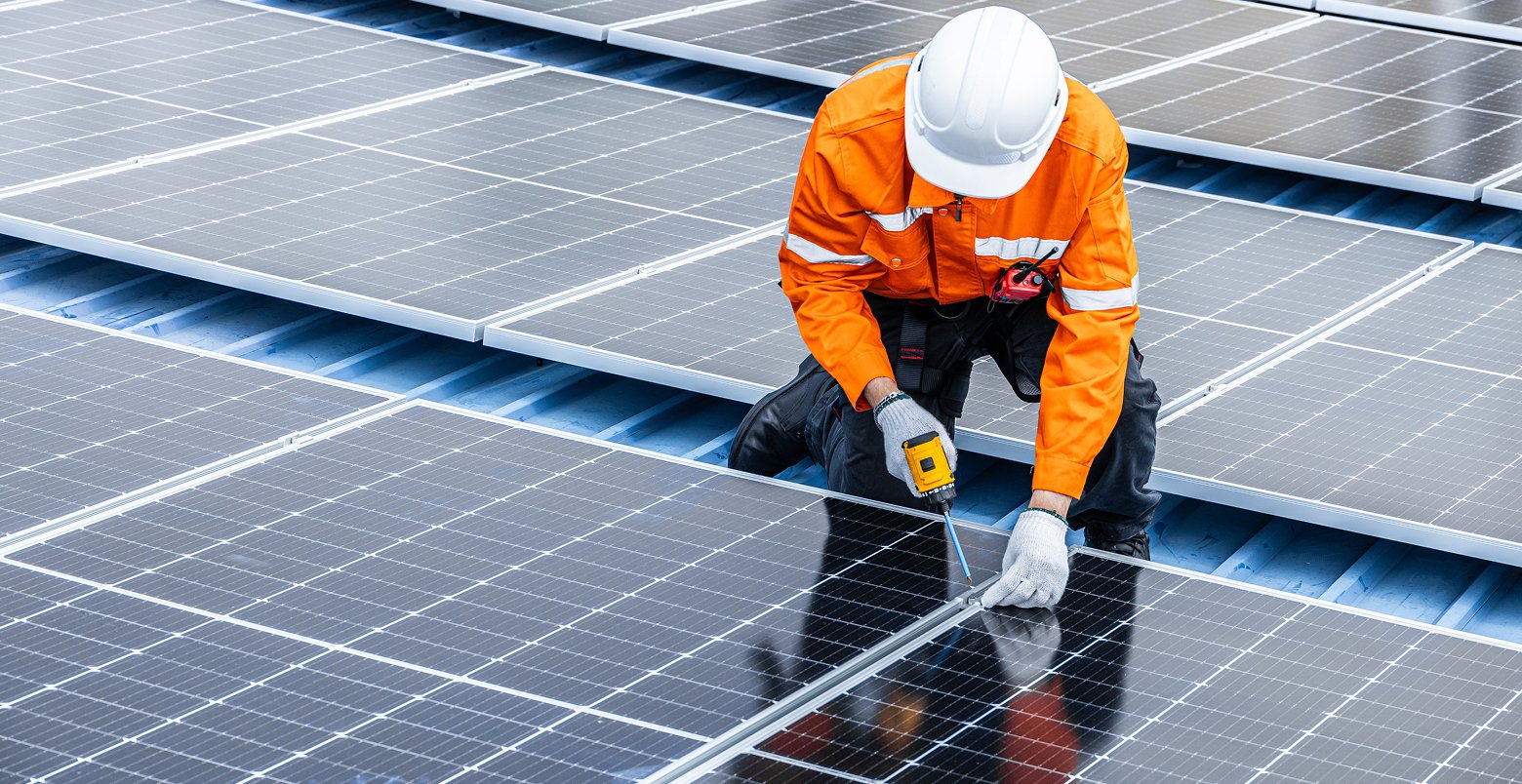
Aluminum solar mounting structures offer a lightweight and corrosion-resistant solution for photovoltaic installations, providing practical handling, efficient installation, and dependable long-term support for solar panels.
Explore our solar mounting structures through project applications, showcasing support systems designed for commercial, industrial, and large-scale solar installations.
Arew Engineering Solutions provides solar mounting structure solutions for rooftop, ground-mounted, elevated, commercial, and industrial solar installations. These structures form the supporting framework that holds photovoltaic panels in their required position and transfers structural loads to the roof, foundation, or other approved support system.
Choosing the right solar mounting structure involves more than selecting a frame for solar panels. Roof construction, available space, panel dimensions, wind exposure, material selection, corrosion protection, and installation requirements all influence the design. A suitable mounting system brings these elements together to support a stable and properly arranged solar installation.
Solar mounting structures can be configured for different installation environments. Rooftop systems use an existing building as their supporting structure, while ground-mounted systems use foundations installed in the ground. Elevated arrangements raise panels above the supporting surface to preserve usable space underneath.
| Mounting Application | Typical Installation Location | Important Design Considerations |
|---|---|---|
| Rooftop Solar Mounting | Residential, commercial, factory, and warehouse roofs | Roof capacity, fixing method, waterproofing, panel layout, and wind loads |
| Ground-Mounted Solar Structures | Open land, industrial sites, agricultural properties, and solar project areas | Soil conditions, foundations, drainage, support spacing, and site layout |
| Elevated Solar Structures | Parking areas, industrial yards, and selected rooftops | Column positioning, clearance, stability, wind exposure, and foundation capacity |
| Industrial Solar Mounting | Factories, manufacturing facilities, and large warehouses | Existing building structure, roof framing, operational access, and installation requirements |
Rooftop solar mounting structures secure photovoltaic panels to suitable roof surfaces while accounting for the building’s structural characteristics. They are used on residential, commercial, and industrial properties where the existing roof has been assessed as suitable for the proposed solar installation.
Common rooftop applications include:
The mounting arrangement depends on the roof material, structural framing, available area, panel orientation, wind exposure, and permitted fixing methods. Where roof penetrations are required, the connection and sealing details should be designed to protect the roof’s waterproofing system.
Ground-mounted solar structures support photovoltaic panels installed on open land rather than on an existing building. They can be considered for industrial sites, agricultural properties, commercial developments, and larger solar installations where sufficient land is available.
Unlike rooftop systems, ground-mounted arrangements require a suitable foundation system to transfer the loads from the panels and supporting frame into the ground. The design must account for soil conditions, foundation requirements, wind exposure, drainage, panel spacing, and access for inspection.
Typical applications include:
Elevated solar mounting structures raise photovoltaic panels above the supporting surface, allowing the area beneath the array to remain usable. Depending on the structural arrangement, they may be suitable for parking areas, industrial yards, selected rooftops, and covered outdoor working spaces.
These systems require careful structural planning because their columns and connections transfer loads to specific support points. The supporting building or foundation must be assessed for the additional loads. Required clearance, access, wind exposure, column locations, and overall stability should also be considered.
Potential applications include:
Industrial solar installations often involve large roof areas, steel roof framing, operational access requirements, and existing building services. The mounting structure must be coordinated with the building’s structural system rather than selected independently of it.
Industrial applications can include:
Before installation, the building’s structural capacity, roof condition, fixing locations, drainage arrangements, and maintenance access should be reviewed. Mounting components should connect to suitable structural supports using a fixing method approved for the particular roof system.
Different solar mounting systems are designed around the roof type, ground conditions, panel arrangement, and installation requirements. The appropriate configuration depends on the intended application and the structural conditions of the site.
| Mounting System | How It Works | Common Applications |
|---|---|---|
| Fixed-Tilt Structures | Hold solar panels at a predetermined angle and orientation. | Rooftop and ground-mounted solar installations |
| Adjustable-Tilt Structures | Allow the panel angle to be changed within the system’s designed adjustment range. | Selected ground-mounted and specialised installations |
| Rail-Based Mounting Systems | Use supporting rails and compatible clamps to secure solar panels. | Rooftop installations and compatible panel-support arrangements |
| Ballasted Mounting Systems | Use designed weights to resist movement without conventional roof penetrations at every support point. | Selected flat-roof installations with sufficient load capacity |
Fixed-tilt solar mounting structures hold panels at a predetermined angle and orientation. They are commonly used for rooftop and ground-mounted systems where a permanent panel position is appropriate.
The tilt angle and orientation should be selected according to the location, panel layout, roof geometry, shading, wind exposure, and energy-generation objectives. The mounting frame must also provide the support points and clearances required by the solar panel specifications.
Adjustable-tilt solar structures allow the panel angle to be changed when the system design calls for it. They may be considered for selected ground-mounted, agricultural, or specialised installations where angle adjustment offers a practical benefit.
The adjustment mechanism, locking points, connection details, and structural stability should be considered during selection. Any adjustable arrangement must remain secure under the applicable environmental loads and should allow suitable access for inspection and maintenance.
Rail-based solar mounting systems use supporting rails and compatible clamps to secure panels in their specified mounting zones. They are commonly used where the roof construction and panel configuration are compatible with rail mounting.
Rail spacing, clamp positions, fastener selection, and connection details all affect how loads are transferred through the mounting system. Components should be compatible with the selected panels and installed according to the approved system requirements.
Ballasted solar mounting systems use designed weights to resist movement rather than relying on conventional roof penetrations for every support point. They may be considered for selected flat-roof installations where limiting penetrations is an important requirement.
However, ballasted systems are not suitable for every roof. The roof’s load capacity, wind exposure, waterproofing system, ballast requirements, and overall stability must be evaluated before selection. Avoiding roof penetrations does not remove the need for structural assessment.
Material selection affects the strength, weight, corrosion resistance, fabrication requirements, and maintenance needs of a solar mounting structure. Galvanized steel, hot-dip galvanized steel, and aluminium are used in different mounting applications. The appropriate material depends on the structural design, environmental exposure, and project specifications.
| Material | Key Characteristics | Important Selection Factors |
|---|---|---|
| Galvanized Steel | Steel protected by a zinc coating to help resist corrosion. | Steel section, material thickness, coating specification, and exposure conditions |
| Hot-Dip Galvanized Steel (HDG) | Steel with a zinc coating applied through an immersion process. | Coating requirements, fabrication quality, environmental exposure, and connection details |
| Aluminium | Relatively lightweight material with natural corrosion resistance. | Alloy, section geometry, span, fastener compatibility, and structural requirements |
Galvanized steel is commonly used in solar mounting structures because its zinc coating helps protect the underlying steel against corrosion. It can be suitable for rooftop, ground-mounted, and industrial applications when the steel sections and coating specifications are selected for the project requirements.
When assessing galvanized steel components, important considerations include the steel section, material thickness, coating specification, fabrication quality, fasteners, and environmental exposure. Cut edges and areas where the coating has been damaged should receive appropriate treatment according to the relevant specifications.
Hot-dip galvanized (HDG) solar mounting structures use steel components coated with zinc through an immersion process. This coating provides corrosion protection and can make HDG steel suitable for outdoor mounting applications exposed to rain, humidity, and changing weather conditions.
The performance of an HDG mounting structure depends on the steel sections, coating requirements, fabrication quality, connection details, and conditions at the installation site. Coating specifications should be selected according to the applicable requirements and expected environmental exposure.
For more information about this material option, explore Arew’s HDG Solar Mounting Structures.
Aluminium solar mounting structures use aluminium components, particularly in rails and panel-support systems. Aluminium’s relatively low weight and corrosion resistance can make it useful for applications where compatible aluminium components are specified.
Material selection should consider the alloy, section geometry, span, connection details, and compatibility with other metals. Suitable fasteners and isolation measures may be necessary to reduce the risk of galvanic corrosion where dissimilar materials are connected.
Explore Arew’s Aluminum Solar Mounting Structures to learn more about this option.
Fasteners and clamps connect solar panels to the mounting frame and secure the frame to its supporting structure. Although these components may be smaller than the main steel members, they play an important role in maintaining the intended panel arrangement and transferring loads through the system.
Depending on the mounting design, the system may include:
Fastener material, dimensions, tightening requirements, panel clamp zones, and connection details should follow the approved design and component manufacturer’s instructions.
A solar mounting structure should be designed as part of the complete photovoltaic installation. The supporting frame, panels, roof or foundation, and connection details need to work together. Reviewing these factors before fabrication and installation helps establish a mounting arrangement suited to the actual site conditions.
Solar mounting structures must support the weight of the panels and resist applicable wind and other environmental loads. Wind can create uplift and lateral forces, particularly on elevated arrays and exposed roof edges.
Structural design should consider site wind conditions, panel dimensions, tilt angle, support spacing, anchoring, bracing, and load transfer into the building or foundation. Member sizes and connection details should be established through appropriate engineering calculations.
For rooftop installations, the existing roof structure must be assessed for the additional loads and proposed fixing arrangements. For ground-mounted systems, foundation design depends on soil conditions, structural reactions, drainage, and site requirements.
A mounting system should not be installed solely on the assumption that a roof or surface can support it. Appropriate structural checks help identify suitable fixing locations and foundation requirements before installation begins.
Panel orientation and tilt influence solar exposure, shading, drainage, and wind loading. The appropriate arrangement depends on the location, roof geometry, surrounding obstructions, available area, and the energy objectives of the solar installation.
Panel spacing should also account for the dimensions of the modules, mounting points, maintenance access, and potential shading between rows. The mounting structure must hold panels securely at the specified angle while providing the support points and clearances required by the panel manufacturer.
Outdoor mounting structures are exposed to sunlight, rain, dust, temperature changes, and potentially corrosive environments. Material grade, coating quality, drainage, fastener compatibility, and maintenance access should all be considered when selecting the system.
Regular inspection can help identify coating damage, loose connections, corrosion, and other maintenance concerns. The selected corrosion protection should be appropriate for the expected exposure conditions rather than based on material type alone.
Rooftop mounting systems must be coordinated with the roof’s waterproofing and drainage arrangements. Where penetrations are required, fixing details should be properly designed and sealed using compatible materials and suitable installation methods.
The panel layout should avoid obstructing drainage paths and should provide appropriate access for inspection and maintenance. Waterproofing details must suit the actual roof construction and membrane system.
The mounting layout should allow suitable access for inspection, cleaning, and maintenance. Panel spacing, cable management, clear access routes, and secure connections all contribute to an installation that can be maintained over time.
Maintenance provisions should be considered during the initial design stage rather than added after the solar array has been installed.
Solar mounting structures do not have one standard configuration for every project. Their dimensions and specifications depend on the solar panel arrangement, supporting surface, structural requirements, and installation environment.
| Specification | What Needs to Be Considered |
|---|---|
| Panel Dimensions and Layout | Panel size, number of modules, row arrangement, mounting zones, and required spacing |
| Mounting Height | Available clearance, roof geometry, access requirements, and intended use of the area beneath the structure |
| Support Spacing | Panel arrangement, structural member capacity, mounting points, and applicable loads |
| Material and Coating | Steel or aluminium selection, section dimensions, coating specification, and environmental exposure |
| Connections and Fasteners | Bolts, clamps, brackets, anchors, and compatibility between connected materials |
| Foundation or Roof Fixing | Soil conditions, roof framing, fixing locations, structural reactions, and waterproofing requirements |
| Access and Maintenance | Inspection routes, cleaning access, drainage clearance, and component accessibility |
These specifications should be coordinated before manufacturing begins. Confirming the panel layout, supporting structure, material requirements, and connection arrangements helps reduce avoidable changes during fabrication and installation.
Solar mounting structure projects involve several connected stages, from reviewing the site and panel arrangement to preparing the components and assembling the support system. Coordinating these stages helps ensure that the manufactured components correspond with the intended installation.
The process begins by identifying the installation location, type of mounting system, panel dimensions, available space, and intended application. Rooftop projects require information about the existing roof and supporting frame, while ground-mounted projects need relevant site and soil information.
The mounting arrangement is developed around the panel layout, structural loads, support spacing, fixing method, material selection, and environmental conditions. Connection details and foundation or roof-support requirements should be coordinated as part of the design.
After the project specifications are established, the required materials and structural components can be prepared. Manufacturing considerations may include cutting, drilling, forming, fabrication, surface preparation, and the specified corrosion-protection process.
Dimensional accuracy and component identification are important because the parts must correspond with their intended positions in the mounting arrangement.
Components are prepared for delivery to the installation site. The site should be ready to receive the materials, and relevant roof fixing points or foundation details should be checked against the approved project requirements.
The mounting frame is assembled according to the planned installation sequence. This may involve positioning the support members, securing connections, checking alignment, and preparing the frame for solar panel installation.
Installation should follow the approved structural details, component requirements, and appropriate site safety procedures.
Once the mounting system has been assembled, relevant checks may cover structural connections, panel-support positions, alignment, fasteners, corrosion protection, and drainage or waterproofing details where applicable.
A suitable solar mounting structure supports the mechanical reliability and intended arrangement of a photovoltaic installation. Its performance depends on the quality of the structural design, materials, fabrication, installation, and ongoing maintenance.
| Benefit | How the Mounting Structure Contributes |
|---|---|
| Secure Panel Support | Holds photovoltaic panels in their specified positions and transfers loads to the supporting roof or foundation. |
| Structural Reliability | Uses suitable members, connections, and corrosion protection to support the intended installation. |
| Efficient Space Utilisation | Allows the panel layout to be planned around available roof or ground space and site access requirements. |
| Correct Panel Positioning | Maintains the specified panel orientation, tilt, spacing, and support arrangement. |
| Application Flexibility | Can be configured for compatible rooftop, ground-mounted, elevated, commercial, and industrial applications. |
| Maintenance Planning | Allows access and inspection requirements to be considered during the initial layout and design. |
A properly designed frame holds solar panels in the specified position and transfers loads through the mounting components to the roof structure or foundation. Suitable clamps, fasteners, and connections help maintain the intended arrangement.
Appropriate materials, correctly designed members, corrosion protection, and sound connections contribute to the reliability of a mounting system. Routine inspection and maintenance remain important throughout its service life.
The mounting layout can be planned around available roof or ground space, shading constraints, access requirements, and the panel arrangement. Elevated systems may also preserve usable space beneath an array where the design and site conditions permit.
Solar mounting structures can be designed for different roof types, ground conditions, panel arrangements, and building uses. The selected solution should be based on the specific structural and operational needs of each project.
Solar mounting structures used in Pakistan need to be selected according to local site and environmental conditions. Heat, dust, seasonal rain, wind exposure, and corrosion risk can influence material selection, connection details, protective coatings, and maintenance requirements.
For projects in Lahore and other parts of Pakistan, the mounting system should be specified according to the roof or ground conditions, proposed panel layout, applicable structural loads, and relevant engineering requirements.
Before finalising a mounting system, project teams should confirm the following:
These checks help establish whether the proposed mounting arrangement is suitable for the installation rather than selecting a system solely on initial cost or appearance.
Arew Engineering Solutions provides solar mounting structure solutions for commercial, industrial, rooftop, and other photovoltaic applications. Each project should be considered according to its intended use, structural requirements, installation environment, and site conditions.
Important aspects of a solar mounting structure project include:
Whether you are planning a rooftop solar installation, a ground-mounted array, or an elevated structure for a commercial or industrial site, the mounting system should be selected around the requirements of the complete installation.
A solar mounting structure is the supporting framework that holds photovoltaic panels in the required position. It transfers loads to a roof, ground foundation, or other approved support system while maintaining the specified panel arrangement.
Common types include rooftop mounting structures, ground-mounted structures, elevated solar frames, fixed-tilt systems, adjustable-tilt systems, rail-based arrangements, and ballasted mounting systems. The suitable type depends on the installation location, supporting surface, and project requirements.
Galvanized steel, hot-dip galvanized steel, and aluminium are used in different mounting systems. The suitable material depends on structural loads, environmental exposure, corrosion protection, weight requirements, and the specifications of the complete system.
HDG stands for hot-dip galvanized. HDG solar mounting structures use steel components with a zinc coating applied through an immersion process to provide corrosion protection. The appropriate coating requirements depend on the material specifications and environmental conditions.
Aluminium components are used in some rooftop solar mounting systems, particularly rails and panel-support components. Their suitability depends on the roof configuration, structural requirements, component design, and compatibility with the other materials in the system.
Yes, where the existing roof and supporting structure are suitable for the proposed installation. Industrial rooftop projects should include checks of structural capacity, roof framing, fixing methods, waterproofing, access, and applicable environmental loads.
Rooftop structures attach to or are supported by an existing building’s roof system, subject to its structural capacity. Ground-mounted structures use foundations installed in the ground and are designed around soil conditions, site layout, and the loads transferred by the solar array.
Outdoor mounting structures should have corrosion protection suitable for their material and exposure conditions. Coating specifications, fastener compatibility, drainage, and maintenance should be considered when selecting and inspecting the system.
Yes. Mounting structures can be designed around the panel layout, available space, roof type, required height, support locations, and project-specific structural requirements. Any custom design should be checked by qualified professionals before fabrication and installation.
Cost depends on the structure type, material, member sizes, coating, installation height, foundation or anchoring requirements, site access, panel layout, and project-specific engineering. An accurate estimate requires the relevant dimensions and site information.
Start by identifying the installation location, roof or ground conditions, panel layout, wind exposure, corrosion risk, and maintenance requirements. The final selection should follow an appropriate structural assessment and the requirements of the solar panels and mounting components.
Planning a rooftop solar installation, ground-mounted solar array, elevated solar structure, or industrial solar project? The right mounting arrangement starts with understanding the installation environment, panel layout, structural requirements, and material specifications.
Arew Engineering Solutions can discuss your solar mounting structure requirements and the options suitable for your proposed application. Share the installation location, approximate panel arrangement, roof or ground details, and preferred material to help establish the project scope.
Contact Arew Engineering Solutions to discuss your solar mounting structure requirements in Lahore or elsewhere in Pakistan.
WhatsApp us