Our steel structures fabrication services cover structural steel components for industrial, commercial, infrastructure, and construction projects. We provide beams, columns, trusses, platforms, and support frames according to project drawings, specifications, and site requirements.
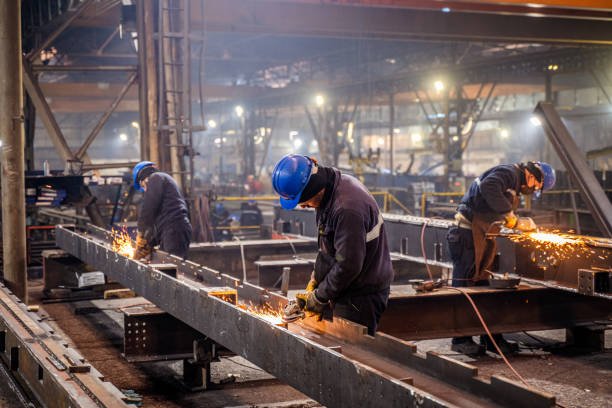
Our Structural Steel Fabrication in Lahore provide durable, accurately fabricated components for industrial, commercial, infrastructure, and construction applications, combining quality materials, precise workmanship, and practical engineering.
We provide reliable Steel Staircases in Lahore and fabrication solutions designed to meet different structural, architectural, industrial, and commercial requirements across a wide range of applications.
We provide reliable Steel Gratings in Lahore designed to meet different structural, architectural, industrial, and commercial requirements across a wide range of applications.
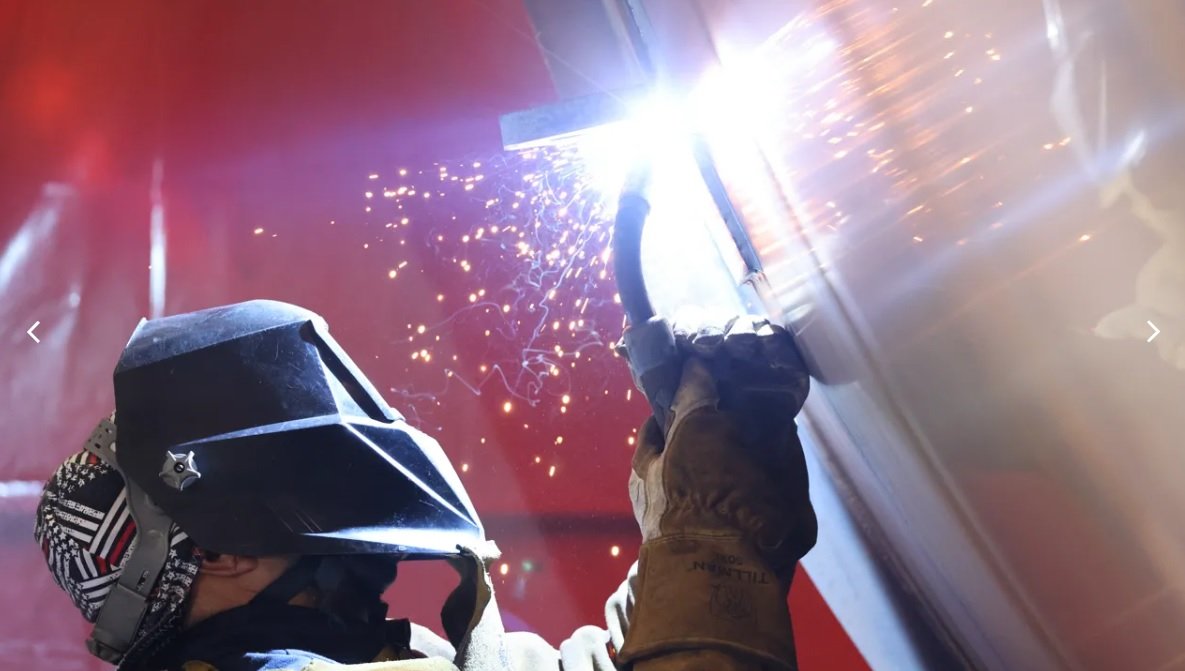
Precision fabricated structural steel components designed for buildings, industrial facilities, platforms, and infrastructure projects requiring strength, accuracy, and dependable structural performance.
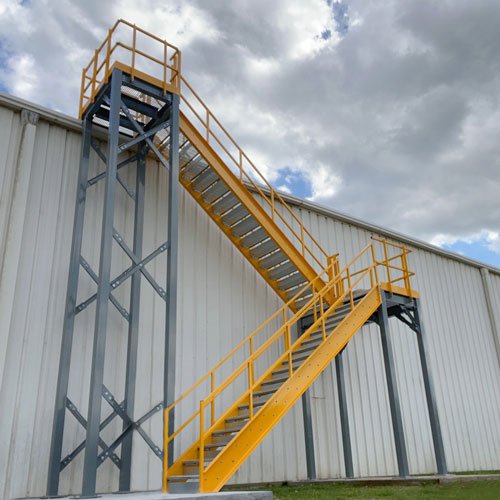
Durable steel staircase solutions designed for industrial, commercial, and infrastructure applications, combining structural strength, practical access, and reliable long term performance.
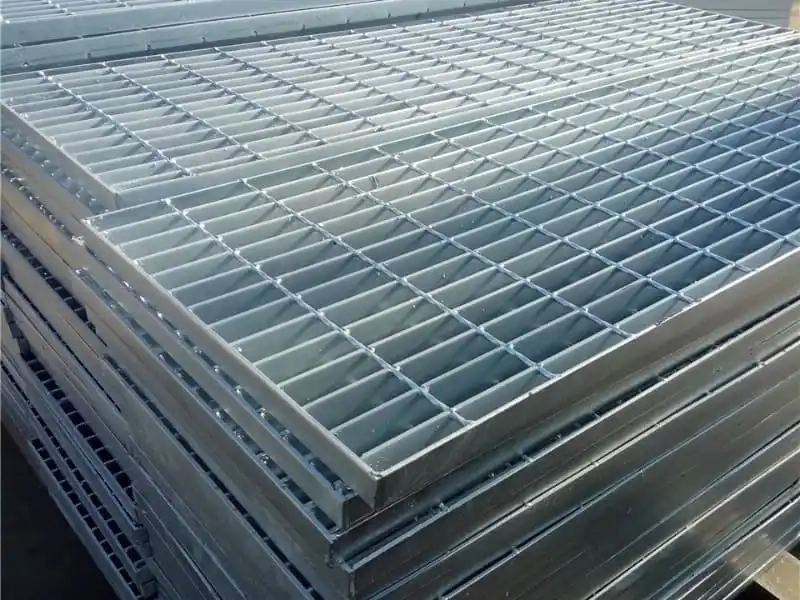
Strong and practical steel grating solutions designed for walkways, platforms, industrial floors, drainage areas, and access systems requiring durability and dependable load support.
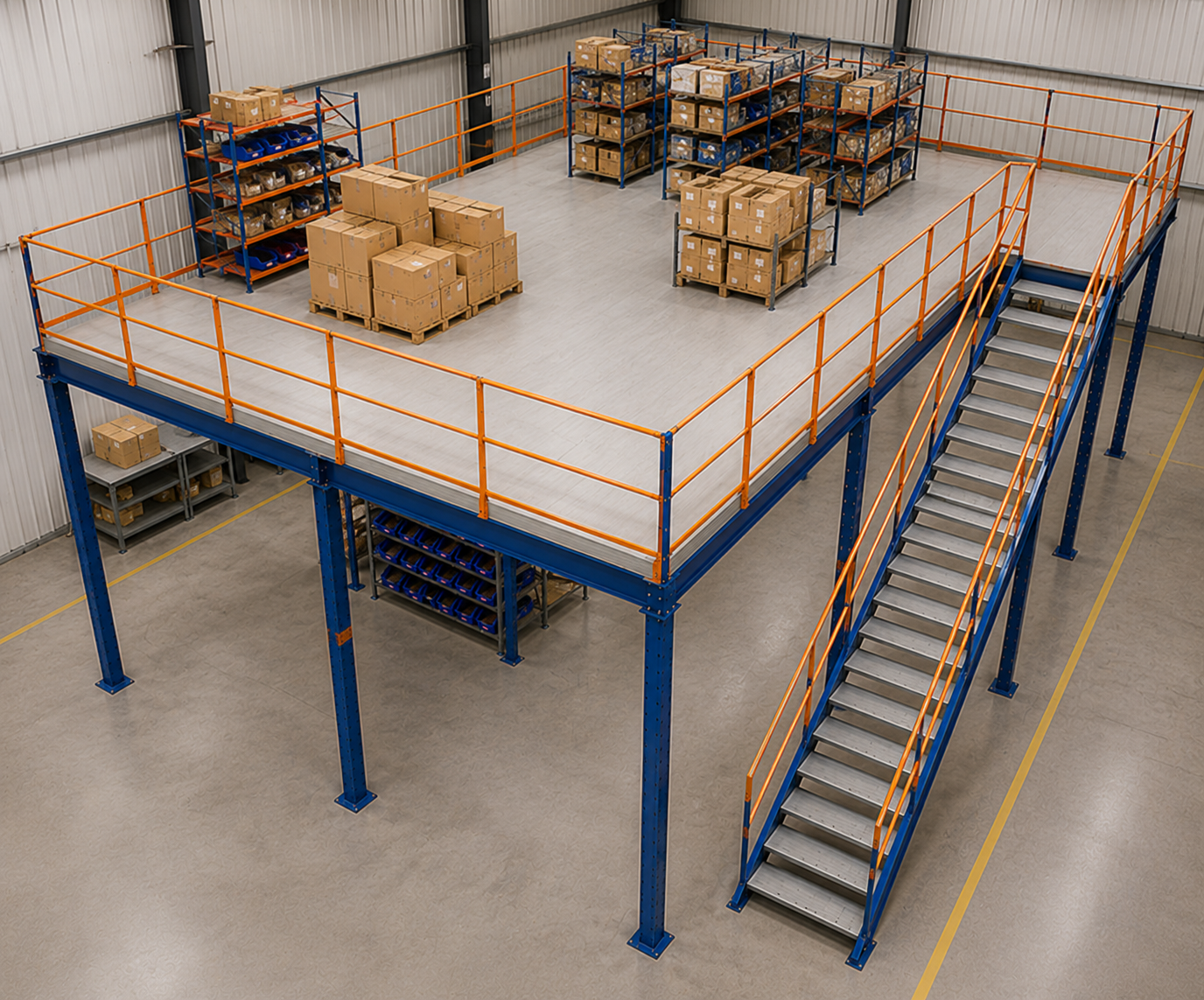
Efficient steel mezzanine structures designed to create additional usable floor space in warehouses, industrial facilities, and commercial buildings without major structural expansion.
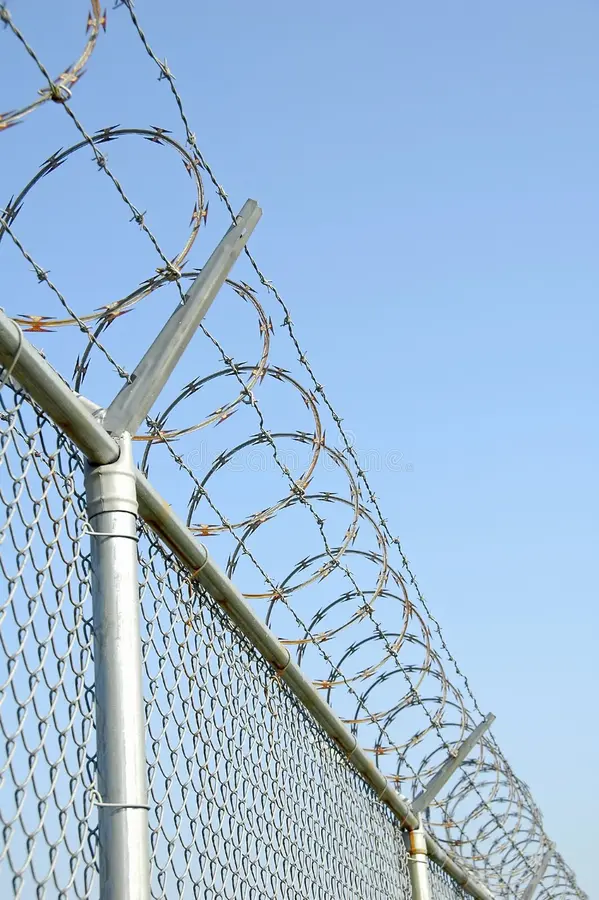
Durable steel fencing solutions designed to provide secure boundaries, property protection, and long term performance across industrial, commercial, construction, and infrastructure environments.
Explore our steel structures and fabrication projects through real applications, showcasing durable steel components, precise fabrication, and practical solutions designed for industrial, commercial, infrastructure, and construction requirements.
Steel structures fabrication transforms engineering designs into accurately manufactured steel components used in industrial, commercial, and infrastructure projects. From structural frames and building components to access platforms, staircases, gratings, and custom steel assemblies, fabrication supports a wide range of construction and operational requirements.
Arew Engineering Solutions provides steel fabrication solutions based on project drawings, structural requirements, material specifications, and intended applications. Each project requires appropriate planning, material selection, dimensional accuracy, and coordination between fabrication and installation requirements.
Steel structures fabrication is the process of preparing and manufacturing steel components according to engineering drawings and project specifications. It involves operations such as measuring, cutting, drilling, forming, welding, assembly, and surface finishing.
Depending on the design, fabricated components may include columns, beams, trusses, connection plates, bracing members, platforms, staircases, gratings, and structural supports. These components are prepared to meet the required dimensions and connection details before being transported or assembled at the project site.
The quality of fabrication affects component alignment, connection accuracy, structural assembly, and the overall coordination of construction work. This makes drawing interpretation and dimensional control important throughout the fabrication process.
Steel fabrication covers several types of structural components and assemblies. The appropriate solution depends on the building layout, operational requirements, loading conditions, access needs, and project specifications.
Structural steel fabrication involves manufacturing beams, columns, trusses, frames, connection plates, and other components used in building and industrial structures. Accurate dimensions and connection details help ensure that fabricated members fit the intended structural arrangement.
Explore our structural steel fabrication solutions for building frames, industrial structures, and project-specific steel components.
Steel staircases provide access between different floor levels, platforms, and working areas. Their design may include stringers, treads, landings, handrails, and supporting members, with dimensions and connections determined by the intended use and applicable safety requirements.
Learn more about our steel staircase solutions for industrial, commercial, and other structural applications.
Steel gratings are used for walkways, drainage covers, industrial flooring, access platforms, and service areas. Their configuration, bearing direction, support spacing, and material specifications should be selected according to the intended loads and operating environment.
Explore our steel gratings for industrial access, flooring, and platform applications.
Steel mezzanines create additional elevated floor space within suitable warehouses, factories, and commercial buildings. Their design requires consideration of available headroom, column placement, floor loading, access arrangements, and the existing building structure.
Discover our steel mezzanine solutions for additional usable space in industrial and commercial facilities.
Steel fencing provides boundary definition, controlled access, and perimeter separation for industrial, commercial, and construction sites. Its layout, support posts, panel configuration, and protective finish should reflect the site conditions and intended level of security.
View our steel fencing solutions for different property and site requirements.
A coordinated fabrication process helps translate project drawings into components that are ready for assembly and installation. The exact sequence depends on the type of structure, technical requirements, production scope, and project schedule.
The initial stage involves reviewing the project scope, engineering drawings, dimensions, intended application, and material requirements. Connection details, site conditions, and installation arrangements should also be considered before fabrication begins.
Steel sections and plates are selected according to the approved design and project specifications. Material dimensions, grades, and relevant documentation should be checked before components enter the fabrication stage.
Steel members are cut, drilled, and prepared according to fabrication drawings. Plates, brackets, holes, and connection features are positioned with attention to dimensions, alignment, and specified tolerances.
Where welding is required, the specified procedures and project requirements should guide the work. Quality checks may include visual inspection, dimensional verification, and additional testing where required by the relevant engineering specifications.
Fabricated steel may require surface preparation, protective painting, or galvanizing depending on its intended environment. The selected finish should account for moisture, exposure conditions, corrosion risks, and future maintenance requirements.
Completed components are prepared for transportation and site assembly according to the project plan. Component identification, handling, lifting arrangements, connection details, and installation sequence all contribute to organised site work.
Material selection is an important part of structural steel fabrication. The required steel type, section size, and protective finish depend on structural loads, design requirements, fabrication details, and the environment in which the finished components will be used.
| Material or Component | Typical Applications | Key Considerations |
|---|---|---|
| Structural steel sections | Beams, columns, frames, and supports | Section size, grade, loading, and connection design |
| Steel plates | Base plates, brackets, stiffeners, and connections | Thickness, dimensions, and detailing |
| Hollow structural sections | Frames, supports, and tubular assemblies | Section geometry, wall thickness, and design loads |
| Protective coatings | Exposed steel components and outdoor structures | Environmental exposure, surface preparation, and maintenance |
Material grades, dimensions, and coating specifications should be verified against approved drawings and project requirements before fabrication proceeds.
Fabricated steel components are used across industries where structural support, access, equipment positioning, or dedicated working areas are required. Their design can be adapted to building layouts, site dimensions, and operational requirements.
| Industry or Project | Typical Steel Applications |
|---|---|
| Manufacturing facilities | Structural frames, equipment supports, platforms, and access structures |
| Warehouses and logistics | Building components, mezzanines, staircases, and loading-area structures |
| Industrial workshops | Steel frames, support systems, walkways, and fabrication assemblies |
| Commercial buildings | Structural members, staircases, fencing, and selected support structures |
| Processing facilities | Equipment platforms, access systems, gratings, and structural supports |
| Energy projects | Project-specific steel supports, frames, and structural assemblies |
Every steel fabrication project has different technical and operational requirements. Reviewing the following factors early helps establish a clear fabrication scope and reduces avoidable changes during production and installation.
Quality in structural steel fabrication depends on using specified materials, following approved drawings, maintaining dimensional accuracy, and checking fabricated connections. Inspection requirements should be established according to the project’s technical documentation and applicable standards.
Safety considerations extend across workshop production, component storage, transportation, lifting, and site erection. Suitable work procedures, trained personnel, appropriate equipment, and coordination between project teams help manage risks throughout these activities.
Where a project specifies particular material, structural design, or welding standards, those requirements should be reviewed and verified by the responsible engineering team.
Industrial, commercial, and infrastructure projects across Pakistan use fabricated steel components for building frames, workshops, warehouses, access systems, platforms, and other structural applications. Each project requires coordination between engineering drawings, material specifications, transportation arrangements, and site conditions.
Arew Engineering Solutions works on steel fabrication requirements based on the intended application and project scope. Providing accurate drawings, dimensions, quantities, and site information helps establish the technical requirements before fabrication planning begins.
Early coordination between the client, design team, fabrication team, and installation team can help clarify responsibilities, connection details, and the sequence of project activities.
Selecting a steel fabrication partner involves more than comparing prices. The project scope, drawing requirements, material specifications, fabrication details, quality expectations, and delivery arrangements should all be considered before work begins.
Arew Engineering Solutions provides engineering and steel fabrication solutions for different structural applications. Our service range includes structural steel fabrication, steel staircases, steel gratings, steel mezzanines, and steel fencing.
Discussing the project requirements and sharing the relevant technical information helps identify the appropriate fabrication scope for your intended application. You can also visit the Arew Engineering Solutions homepage to explore our wider engineering services.
Steel structures fabrication is the process of manufacturing steel components according to engineering drawings and project specifications. It can involve cutting, drilling, forming, welding, assembly, inspection, and surface finishing.
Fabricated steel structures are used in factories, warehouses, industrial sheds, workshops, processing facilities, commercial buildings, platforms, and infrastructure projects.
Steel components can be manufactured according to approved project drawings, dimensions, material specifications, and connection details. Structural drawings should be reviewed and approved by the responsible design professional before production.
Common materials include structural steel sections, steel plates, and hollow structural sections. The appropriate material grade and dimensions depend on the structural design, intended application, and project specifications.
The cost depends on material type and quantity, structural complexity, fabrication requirements, welding, surface treatment, transportation, installation, and inspection. Complete drawings and project details help establish a more accurate quotation.
Useful information includes project drawings, dimensions, intended application, approximate quantities, material specifications, project location, and installation requirements. These details help clarify the scope and technical requirements of the work.
Planning an industrial, commercial, or infrastructure project? Contact Arew Engineering Solutions to discuss your steel structures fabrication requirements. Share your drawings, project dimensions, intended application, and technical specifications to help establish a suitable fabrication scope.
Contact our team to discuss your project and request further information.
WhatsApp us