We provide Steel Storage Tanks in Lahore for industrial, commercial, manufacturing, and infrastructure applications, built for reliable storage and long-term performance.
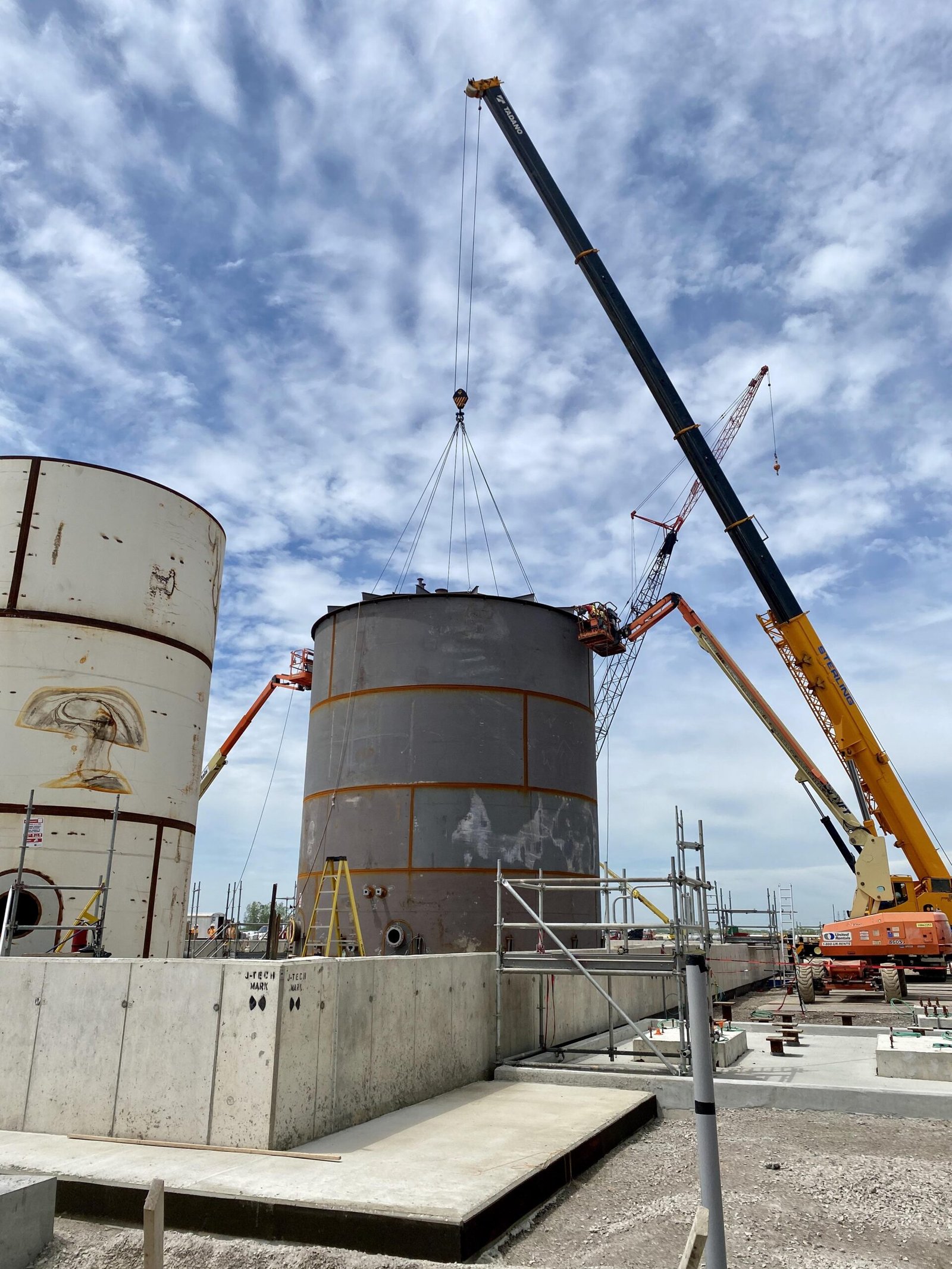
Our steel storage tanks provide durable and dependable storage solutions for industrial, commercial, manufacturing, and infrastructure applications, combining structural strength, quality fabrication, and practical designs for long-term service.
We provide reliable storage tank solutions designed to meet different capacity, material, application, and fabrication requirements across a wide range of industrial and commercial environments.
We provide reliable steel storage tank solutions designed to meet different capacity, material, application, and fabrication requirements across a wide range of industrial and commercial environments.
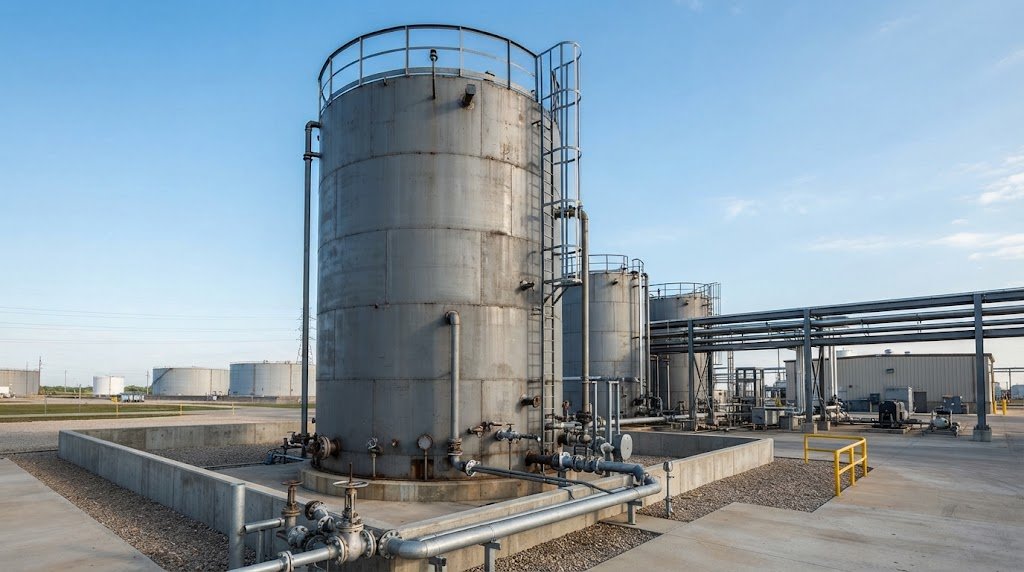
MS storage tanks provide a strong and practical storage solution for industrial, commercial, and manufacturing applications, offering durable construction, reliable performance, and flexibility for different storage requirements.
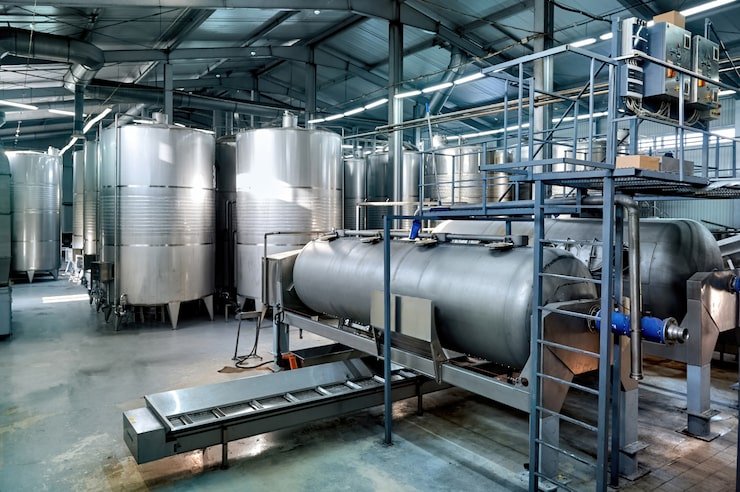
SS storage tanks offer excellent corrosion resistance, durability, and reliable performance for applications where material quality, hygiene, and long-term service are essential. Stainless steel construction makes them suitable for demanding environments requiring dependable and practical storage solutions.
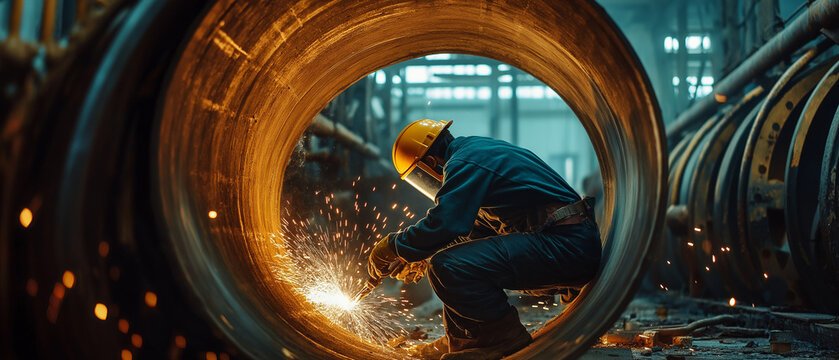
Our storage tank fabrication services provide custom-engineered solutions based on required capacity, dimensions, materials, application conditions, and project specifications, delivering dependable storage systems built for long-term performance.
Explore our steel storage tanks through real project applications, showcasing durable fabrication, reliable construction, and practical storage solutions designed for industrial, commercial, and manufacturing requirements.
Steel storage tanks are essential for industrial facilities that require reliable storage for water, fuel, oils, and other compatible liquids. A properly designed tank supports safe storage, efficient operations, and long-term durability. Arew Engineering Solutions provides engineering and steel fabrication solutions tailored to project requirements, site conditions, and intended applications.
From manufacturing facilities to commercial and industrial projects, selecting the right steel storage tank involves considering storage capacity, material selection, environmental exposure, and installation requirements. Each factor contributes to the performance and service life of the finished structure.
Steel storage tanks can be manufactured in different shapes and configurations depending on the available space, stored material, and operational requirements. The appropriate design should match the intended application and the conditions in which the tank will operate.
Vertical steel storage tanks are commonly considered for industrial sites that need substantial storage capacity while making efficient use of ground space. Their dimensions, support requirements, access points, and foundation must be evaluated according to the project design.
Horizontal steel storage tanks can suit installations where the layout or operating process requires a low-profile configuration. The design may include appropriate supports, access openings, connections, and inspection provisions based on the intended use.
Custom-fabricated tanks are developed around specific capacity, dimensions, material, and site requirements. This approach allows businesses to plan storage equipment around their existing processes rather than relying on a standard configuration that may not suit the facility.
Material selection is an important part of steel storage tank engineering. The material must be suitable for the stored substance, operating conditions, expected service life, and required maintenance practices.
The final material and coating specification should be based on the stored liquid, temperature, exposure conditions, and applicable engineering requirements.
A reliable steel storage tank requires more than suitable steel plates and fabrication. Engineering decisions should account for the tank’s intended duty, structural stability, site layout, and safe operation throughout its service life.
Capacity should be determined from the facility’s storage needs and operating requirements. Tank dimensions must also account for installation space, access for inspection, maintenance clearance, and transportation or on-site assembly constraints.
The foundation and support arrangement must accommodate the tank’s expected loads and site conditions. Ground conditions, filled weight, anchoring needs, and applicable environmental loads should be evaluated by qualified engineering professionals.
Fabrication quality is essential to tank reliability. Appropriate material checks, welding procedures, dimensional inspections, and specified testing help verify that the completed tank meets its design requirements. Corrosion protection should be selected according to the tank’s operating environment.
The required design and inspection standards depend on the tank’s purpose, contents, operating pressure, and project specification. Where a recognised standard applies, the design, fabrication, inspection, and testing processes should follow the relevant requirements. Pressure vessels and atmospheric storage tanks should not be treated as interchangeable equipment.
Steel storage tanks support a wide range of industrial and commercial operations. Their configuration and material specification should always be selected according to the substance being stored and the requirements of the facility.
A steel storage tank designed for its specific application can help businesses organise storage operations and make effective use of their available facilities. The key benefits depend on the selected materials, fabrication quality, operating conditions, and maintenance programme.
Industrial projects in Lahore and across Pakistan may require storage tanks that accommodate specific site dimensions, capacity targets, and operating conditions. Careful coordination between engineering, fabrication, transportation, and installation helps ensure that the tank fits the wider project requirements.
Arew Engineering Solutions supports industrial engineering and fabrication requirements with a focus on practical project specifications. Clients should provide the intended application, required capacity, stored material, site details, and any applicable drawings or standards when discussing a steel storage tank project.
Choosing an engineering and fabrication partner begins with understanding the technical needs of the project. Clear specifications help establish the appropriate tank configuration, material requirements, fabrication scope, and installation considerations.
Arew Engineering Solutions works across engineering and steel fabrication projects. For a steel storage tank enquiry, share your requirements so the project scope can be reviewed against the intended application, site conditions, and relevant technical specifications.
Steel storage tanks are used to store compatible liquids and industrial materials in manufacturing, commercial, utility, and processing facilities. Their design depends on the stored substance and operating requirements.
Yes. Tanks can be specified around required capacity, dimensions, orientation, material, connections, and site constraints. Final customisation depends on the technical scope and engineering requirements.
Material selection depends on the stored liquid, corrosion risks, temperature, environmental exposure, cleaning needs, and applicable standards. A qualified engineer should review these factors before the material specification is finalised.
Useful information includes the required capacity, stored material, tank orientation, approximate dimensions, installation location, operating conditions, preferred material, and any drawings or project standards already available.
Planning an industrial storage project? Contact Arew Engineering Solutions to discuss your steel storage tank requirements. Sharing your application details, capacity, site conditions, and technical specifications will help establish the appropriate scope for your project.