We are Solar Mounting Structures in Lahore, providing durable solar panel mounting structures for commercial, industrial, and large-scale solar installations.
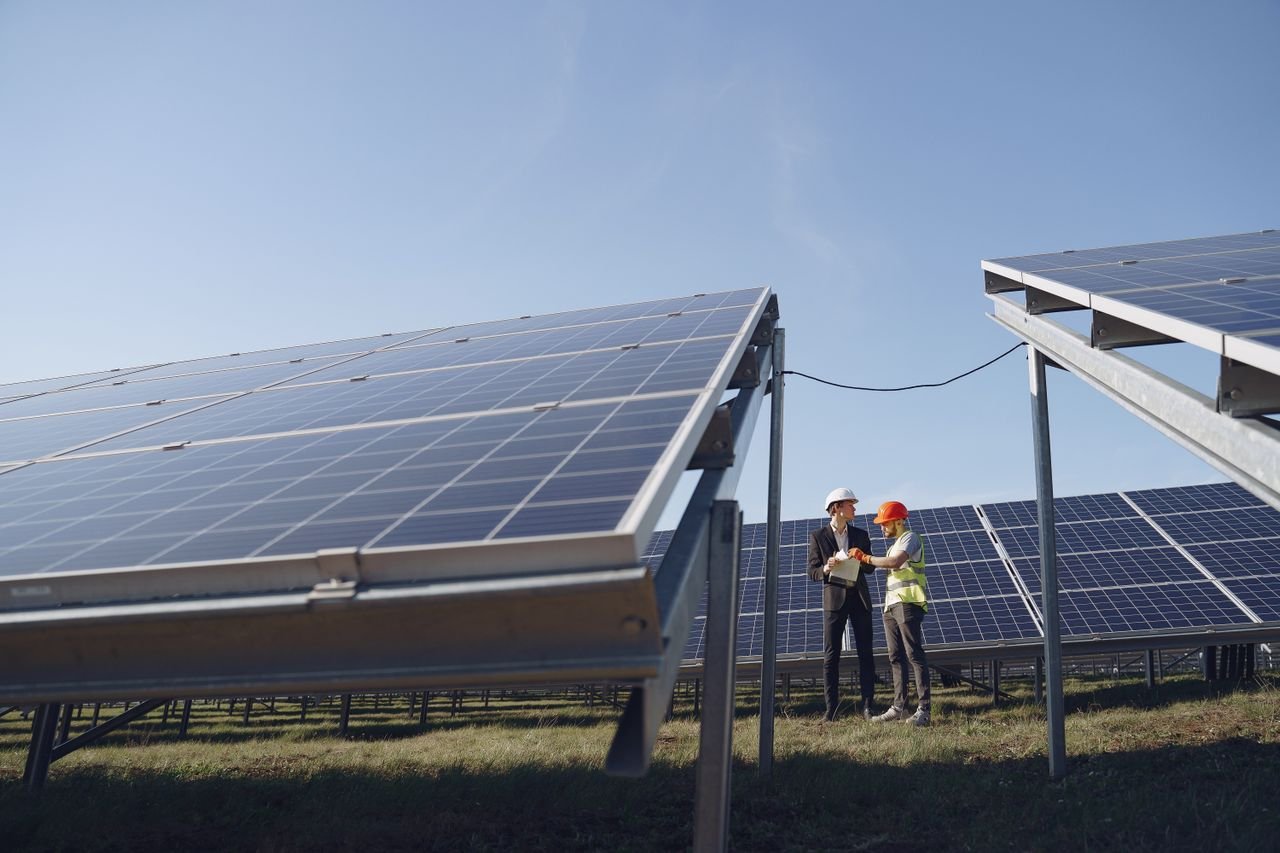
We are a solar structure manufacturer in Lahore, providing durable solar mounting structures in Lahore for commercial, industrial, and large-scale solar installations.
Our solar panel mounting structures are designed to provide stable and reliable support for photovoltaic panels while considering site conditions, panel configuration, structural requirements, and long-term outdoor performance.
Our Solar Panel Mounting Structures in Lahore provide durable and stable support for photovoltaic panels across commercial, industrial, and large-scale solar installations, combining structural strength, corrosion resistance, and practical installation requirements.
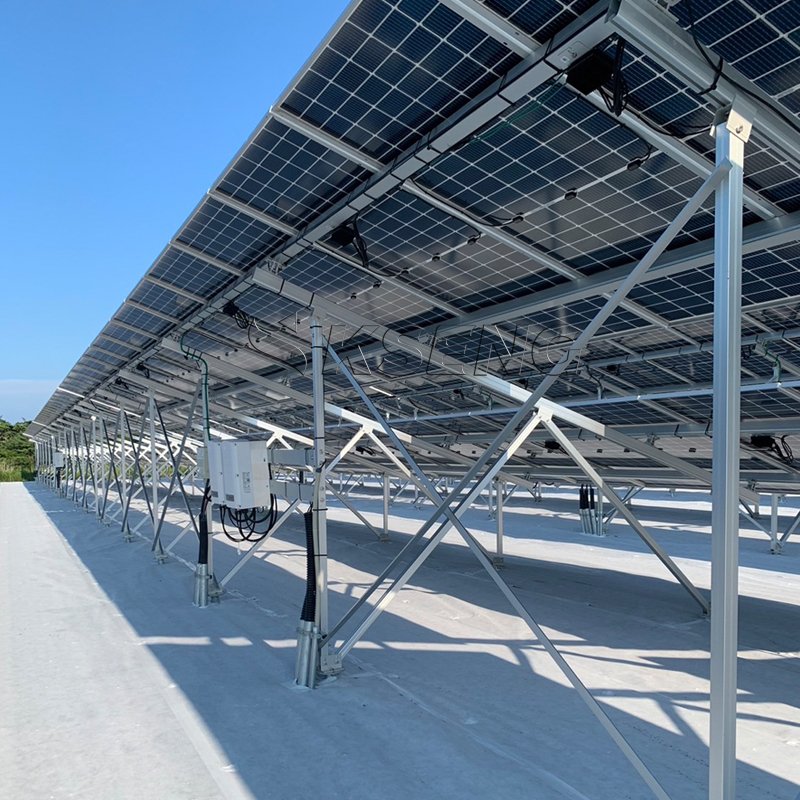
Hot Dip Galvanized solar mounting structures provide excellent corrosion resistance and durable outdoor performance, making them suitable for solar installations exposed to demanding weather and environmental conditions.
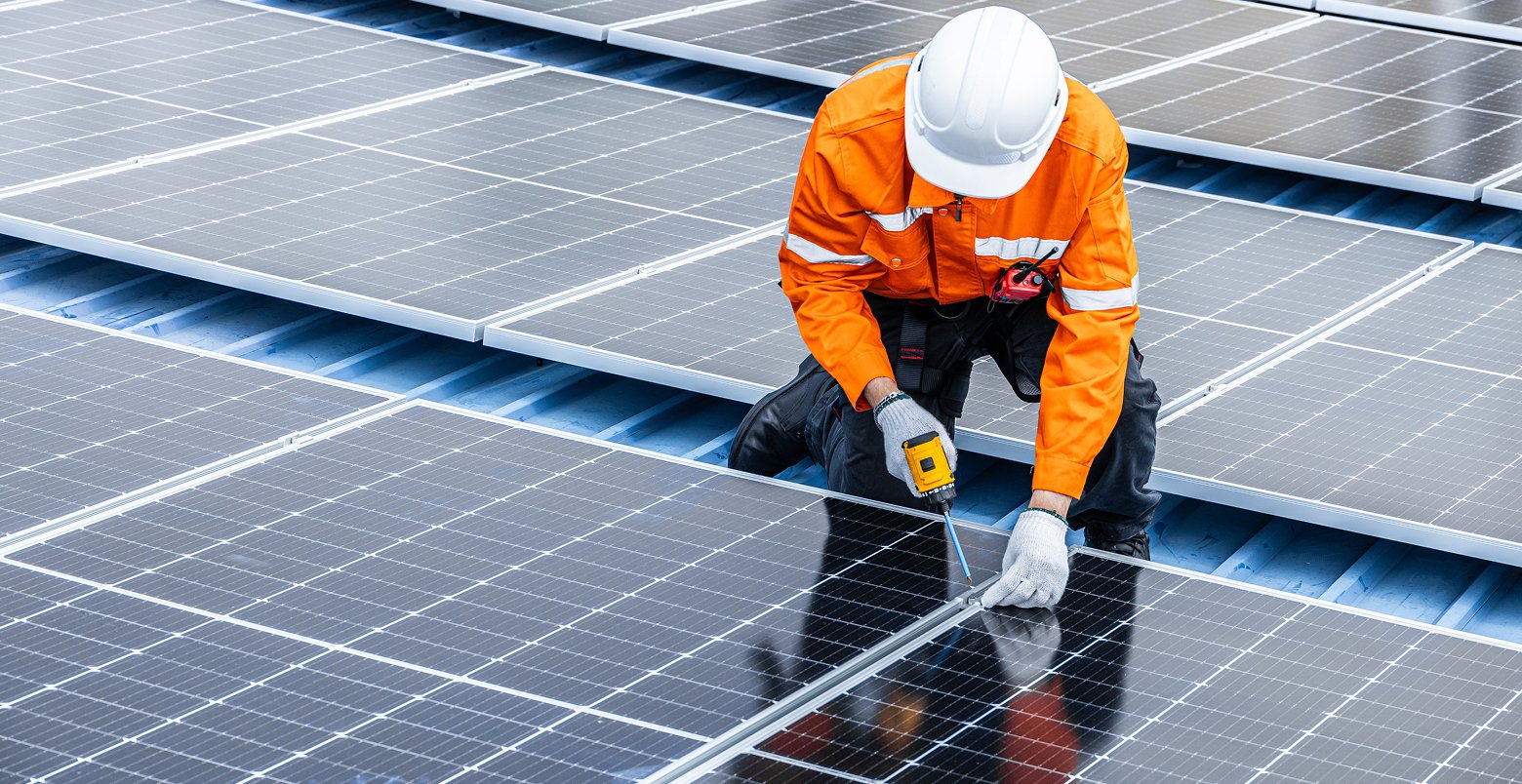
Aluminum solar mounting structures offer a lightweight and corrosion-resistant solution for photovoltaic installations, providing practical handling, efficient installation, and dependable long-term support for solar panels.
Explore our solar mounting structures in Lahore through real project applications, showcasing durable solar panel structures and support systems designed for commercial, industrial, and large-scale solar installations.
Solar mounting structures are essential components of solar power installations, providing the support needed to position and secure photovoltaic panels. Arew Engineering Solutions provides solar mounting structure solutions for rooftop, ground-mounted, commercial, and industrial solar projects in Lahore and across Pakistan.
A properly selected mounting system supports panel alignment, transfers structural loads safely, and helps maintain the installation over its service life. The right structure depends on the site conditions, roof type, panel layout, wind exposure, corrosion risk, and project requirements.
Rooftop solar mounting structures are designed to secure solar panels to suitable roof surfaces while accounting for the building’s structural characteristics. These systems can be used on residential, commercial, and industrial properties where the roof has been assessed as suitable for the proposed installation.
Common rooftop applications include:
The mounting system should be selected according to the roof material, available space, panel orientation, wind loads, and permitted fixing methods. Roof penetrations must be detailed appropriately to reduce the risk of water ingress.
Ground-mounted solar structures support panels installed on open land rather than on an existing building. They can be considered for industrial sites, agricultural properties, commercial developments, and larger solar installations where sufficient land is available.
For more details, explore our ground-mounted solar structures for open-land solar installations.
Ground-mounted systems can provide flexibility in arranging panel rows and planning access for inspection and maintenance. Their design must account for soil conditions, foundation requirements, wind exposure, drainage, and the intended panel layout.
Typical applications include:
Elevated solar mounting structures raise panels above the supporting surface to preserve usable space underneath. Depending on the design, they may be suitable for parking areas, industrial yards, selected rooftops, and other locations where the area below the panels must remain accessible.
Elevated structures require careful engineering because their columns and connections transfer loads to a limited number of support points. The existing building or foundation must be assessed for the additional loads, and the design should consider wind exposure, clearance, access, and stability.
Potential applications include:
Industrial solar installations may require mounting systems designed around large roof areas, steel roof framing, operational access, and the specific requirements of the facility. The mounting design must be coordinated with the existing building structure and roof system.
Industrial applications can include:
Before installation, the building’s structural capacity, roof condition, fixing points, drainage, and access requirements should be reviewed. Solar mounting components must not be fixed to roof sheeting unless the selected system is specifically designed for that fixing method.
Different solar mounting systems serve different roof types, ground conditions, and installation requirements. Selecting the appropriate design helps coordinate panel positioning, structural support, installation methods, and long-term maintenance.
Fixed-tilt structures hold solar panels at a predetermined angle and orientation. They are commonly used for rooftop and ground-mounted systems where a permanent panel position is appropriate.
The tilt angle should be selected according to the location, panel layout, roof geometry, shading, wind exposure, and energy-generation objectives. The best configuration is determined by the requirements of the complete solar installation rather than by tilt angle alone.
Adjustable-tilt structures allow the panel angle to be changed when the system design calls for it. They may be considered for selected ground-mounted, agricultural, or specialised installations where angle adjustment offers a practical benefit.
The adjustment mechanism, locking points, structural stability, and maintenance requirements should be considered during selection. Any adjustable system must remain secure under the applicable environmental loads.
Rail-based mounting systems use supporting rails and compatible clamps to secure solar panels in the specified mounting zones. These systems are commonly used where the roof and panel configuration are compatible with rail mounting.
Correct rail spacing, compatible clamps, suitable fasteners, and proper installation are important for maintaining panel alignment and transferring loads. Components should follow the mounting system and panel manufacturer’s requirements.
Ballasted mounting systems use designed weights to resist movement rather than relying on conventional roof penetrations for every support point. They may be considered for selected flat roofs where limiting penetrations is important.
Ballasted systems are not suitable for every roof. The roof’s load capacity, wind exposure, waterproofing system, and ballast requirements must be evaluated before selection. Avoiding penetrations does not remove the need for structural assessment.
Material selection affects the strength, weight, corrosion resistance, fabrication requirements, and maintenance needs of a solar mounting structure. The suitable material depends on the application, environmental exposure, structural design, and project specifications.
Galvanized steel is commonly used for solar mounting structures because its zinc coating helps protect the steel against corrosion. It can be suitable for a range of rooftop, ground-mounted, and industrial applications when the member sizes and coating specifications meet the project requirements.
When assessing galvanized steel, consider the steel section, material thickness, coating specification, fabrication quality, fasteners, and exposure conditions. Cut edges and damaged coating areas require appropriate treatment according to the applicable specifications.
Hot-dip galvanized steel receives a zinc coating through an immersion process intended to provide corrosion protection. It may be appropriate for structures exposed to rain, humidity, and outdoor conditions, subject to the specified coating and project environment.
The coating requirement should be selected according to the relevant specification and exposure category. Connections, fabricated areas, and any coating damage should be addressed using suitable procedures to maintain the intended corrosion protection.
Aluminium is used in some solar mounting systems, particularly rails and panel-support components. Its relatively low weight and corrosion resistance can make it useful for applications where compatible aluminium components are specified.
The design must consider the alloy, section geometry, span, connection details, and compatibility with other metals. Appropriate fasteners and isolation measures may be necessary to reduce the risk of galvanic corrosion between dissimilar materials.
Fasteners and clamps connect the mounting frame to the panels and supporting structure. They should be compatible with the selected materials and designed for the applicable loads and environmental conditions.
The system should use compatible bolts, nuts, washers, clamps, and anchors. Tightening requirements, panel clamp zones, and connection details should follow the approved design and component manufacturer’s instructions.
A mounting structure must be selected and designed as part of the complete solar installation. The following considerations help ensure the system suits the building, site, panels, and operating environment.
Solar mounting structures must support the weight of the panels and resist applicable wind and other environmental loads. Wind can create uplift and lateral forces, especially on elevated arrays and exposed roof edges.
Structural design should consider the site’s wind conditions, panel dimensions, tilt, support spacing, anchoring, bracing, and load transfer into the building or foundation. Member sizes and connection details should be determined through appropriate engineering calculations.
For rooftop installations, the existing roof structure must be assessed for the additional loads and proposed fixing arrangements. For ground-mounted systems, foundation design depends on soil conditions, structural reactions, drainage, and site requirements.
A mounting system should not be installed solely on the assumption that a roof or surface can support it. Appropriate structural checks help identify suitable fixing locations and foundation requirements before installation begins.
Panel orientation and tilt influence solar exposure, shading, drainage, and wind loading. The appropriate arrangement depends on the location, roof geometry, surrounding obstructions, available area, and the system’s energy objectives.
The mounting structure should hold panels securely at the design angle while providing the clearances and support points required by the panel manufacturer.
Outdoor mounting structures are exposed to sunlight, rain, dust, temperature changes, and potentially corrosive environments. Material grade, coating quality, drainage, fastener compatibility, and maintenance access should be considered when selecting the system.
Regular inspection can help identify coating damage, loose connections, corrosion, and other maintenance concerns before they become more significant problems.
Rooftop mounting systems must be coordinated with the roof’s waterproofing and drainage arrangements. Where penetrations are required, the fixing details should be properly designed and sealed using compatible materials and suitable installation methods.
The layout should avoid obstructing drainage paths and should provide appropriate access for inspection and maintenance. The waterproofing method must suit the actual roof construction and membrane system.
The mounting layout should allow safe access for inspection, cleaning, and maintenance where required. Suitable spacing, cable management, clear access routes, and secure connections help support ongoing operation.
Maintenance provisions should be considered before installation rather than added after the array is complete.
A suitable mounting structure supports the mechanical reliability of a solar installation. Its performance depends on the quality of the design, materials, fabrication, installation, and maintenance.
A properly designed frame holds panels in the specified position and transfers loads through the mounting components to the roof structure or foundation. Appropriate clamps, fasteners, and connections help maintain the intended arrangement.
Suitable materials, correctly designed members, corrosion protection, and sound connections contribute to the long-term reliability of a mounting system. Routine inspection and maintenance remain important throughout its service life.
The mounting layout can be planned around available roof or ground space, shading constraints, access requirements, and the panel arrangement. Elevated systems may also preserve usable space beneath an array where the design and site conditions permit.
A suitable mounting system maintains the specified panel orientation, tilt, and spacing. This helps the solar installation follow its intended layout and reduces the risk of alignment problems caused by an unsuitable or poorly installed frame.
Solar mounting structures can be designed for different roof types, ground conditions, panel arrangements, and building uses. The selected solution should be based on the specific structural and operational needs of each project.
Solar mounting structures used in Pakistan need to be selected for the local site and environmental conditions. Heat, dust, seasonal rain, wind exposure, and corrosion risk can influence material selection, connection details, and maintenance requirements.
For projects in Lahore and other parts of Pakistan, the structure should be specified according to the roof or ground conditions, proposed panel layout, applicable structural loads, and relevant engineering requirements.
Before finalising a mounting system, project teams should confirm:
These checks help ensure that the proposed mounting system is appropriate for the installation rather than selected solely on initial cost or appearance.
Arew Engineering Solutions provides engineering-focused solutions for solar mounting structures and related industrial applications in Lahore and across Pakistan. Each project should be assessed according to its intended use, structural requirements, installation environment, and site conditions.
Our project-focused approach considers:
Whether you are planning a rooftop solar installation, a ground-mounted array, or an elevated structure for a commercial or industrial site, the right solution begins with understanding the project requirements and selecting an appropriate engineered system.
A solar mounting structure is the supporting framework that holds photovoltaic panels in the required position. It transfers loads to a roof, ground foundation, or other approved support system while maintaining the specified panel arrangement.
Common options include rooftop mounting systems, ground-mounted structures, elevated frames, fixed-tilt systems, adjustable-tilt systems, and rail-based mounting arrangements. The suitable type depends on the site, roof or ground conditions, and project requirements.
Galvanized steel, hot-dip galvanized steel, and aluminium are used in different mounting systems. The suitable material depends on structural loads, environmental exposure, corrosion protection, weight requirements, and the specifications of the complete system.
Yes, where the existing roof and supporting structure are suitable for the proposed installation. Industrial rooftop projects should include checks of structural capacity, roof framing, fixing methods, waterproofing, access, and applicable environmental loads.
Rooftop structures attach to or are supported by an existing building’s roof system, subject to its structural capacity. Ground-mounted structures use foundations installed in the ground and are designed around soil conditions, site layout, and the loads transferred by the array.
Outdoor mounting structures should have corrosion protection suitable for their material and exposure conditions. Coating specifications, fastener compatibility, drainage, and maintenance should be considered when selecting and inspecting the system.
Yes. Mounting structures can be designed around the panel layout, available space, roof type, required height, support locations, and project-specific structural requirements. Any custom design should be checked by qualified professionals before fabrication and installation.
Cost depends on the structure type, material, member sizes, coating, installation height, foundation or anchoring requirements, site access, panel layout, and project-specific engineering. An accurate estimate requires the relevant dimensions and site information.
Start by identifying the installation location, roof or ground conditions, panel layout, wind exposure, corrosion risk, and maintenance requirements. The final selection should follow an appropriate structural assessment and the requirements of the solar panels and mounting components.
Planning a rooftop solar installation, ground-mounted solar array, elevated solar structure, or industrial solar project?
Arew Engineering Solutions can discuss your project requirements and help identify a suitable mounting structure solution based on the installation environment, structural needs, and intended panel layout.
Contact Arew Engineering Solutions to discuss your solar mounting structure requirements in Lahore or elsewhere in Pakistan.